Basics of a Platform Supply Vessel
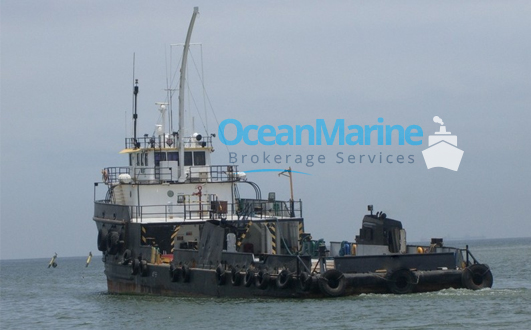
A platform supply vessel or PSV is best described as a ship specially designed to provide support and supply to oil and gas platforms on the open sea. PSVs achieve this by transporting essential equipment, personnel, and supplies critical to day-to-day offshore operations.
Oftentimes, platform supply vessels are synonymous with Offshore Supply Vessels or OSVs, which also ensure that maintenance projects and construction demands are supported — making these vessels integral to the often complex operations on offshore oil platforms and other offshore facilities.
Offshore vessels is a broad category that also includes crane vessels, well stimulation vessels, offshore construction vessels, and anchor handling tug supply vessels. Typically, these vessels range from fifty to one hundred meters in length.
Capabilities of PSVs
A platform supply vessel is primarily designed and tasked with transporting supplies including heavy structural equipment, concrete and cement, and chemical compounds designed for sub-water boring operations. PSVs also transport provisions and personnel back and forth between offshore structures and the nearest harbor facilities.
The majority of cargo onboard ranges from cargo tanks for pulverized cement and diesel fuel to consumable and non-consumable water and chemicals used in offshore drilling. Many PSVs are designed or re-fitted to perform specific tasks, including firefighting capabilities and oil containment and recovery equipment for cleanup efforts following a spill at sea.
Platform supply vessels are extremely versatile and can be custom built to meet specific requirements based on the operators' needs.
Day to Day Operations
Crew members onboard PSVs work and live onboard for an extended period — typically one to three months on, with one month off — assigned into twelve-hour shifts. These vessels are equipped with a bridge, machinery spaces, galley, mess room, living quarters, and common areas for crew recreation.
In recent years, the demand for PSVs has increased because of the exponential increase in offshore operations requiring support, leading to advancements in construction and innovations in PSV design.